


Filter by Brand





Top rated products
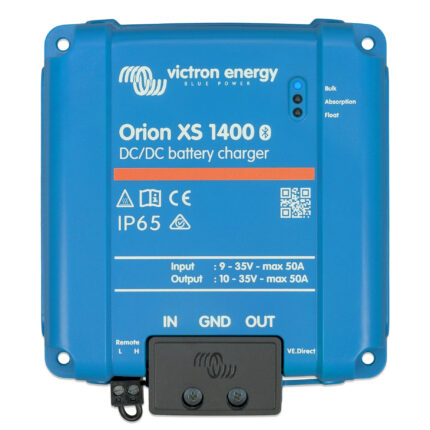
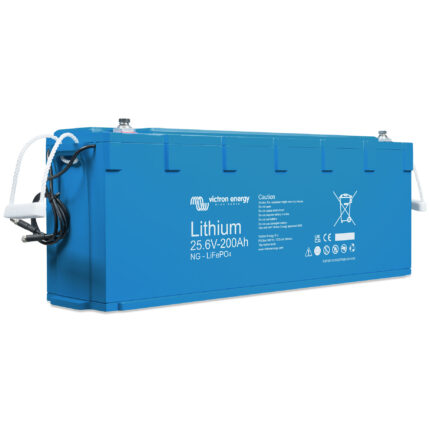
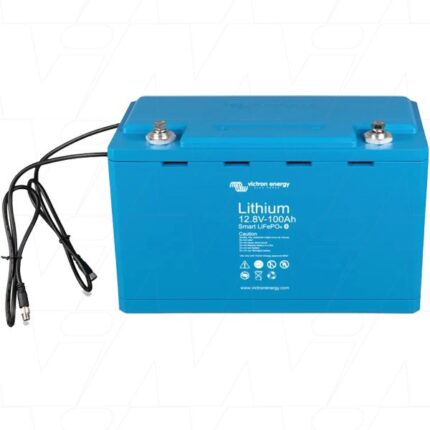
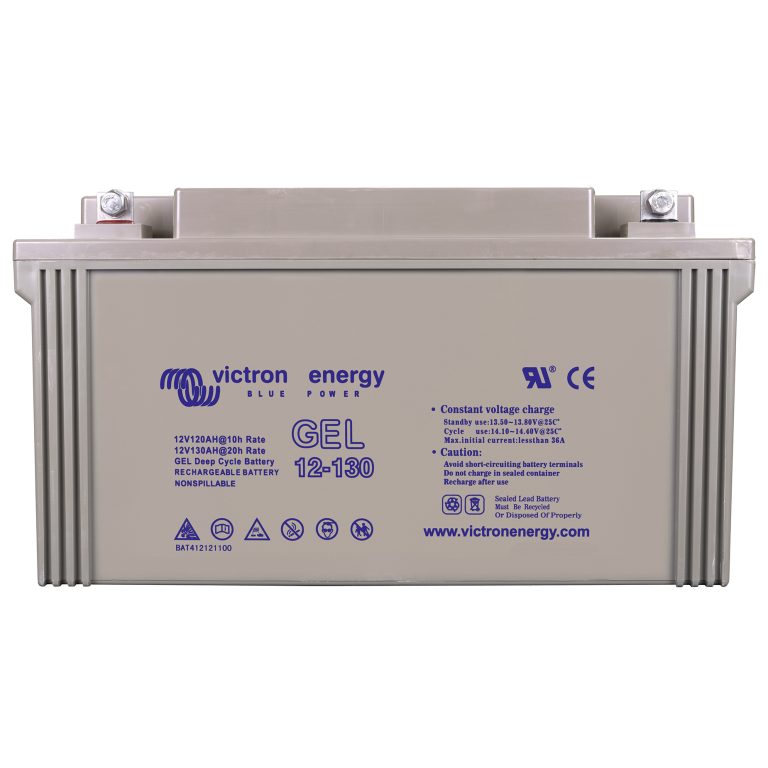
12V/130Ah Gel Deep Cycle Batt.
The GEL model range offers best deep cycle durability and overall longer life. The use of high purity materials and lead calcium grids ensure that for both AGM and GEL products have particularly low self-discharge so that they will not go flat during long periods without charge. Both ranges are supplied with M8 drilled, flat copper terminals ensuring best possible connection contact and eliminating the need for battery terminals. The batteries are compliant with both CE and UL specifications in ABS fireproof containers and come with Victron’s 2 year world-wide warranty.
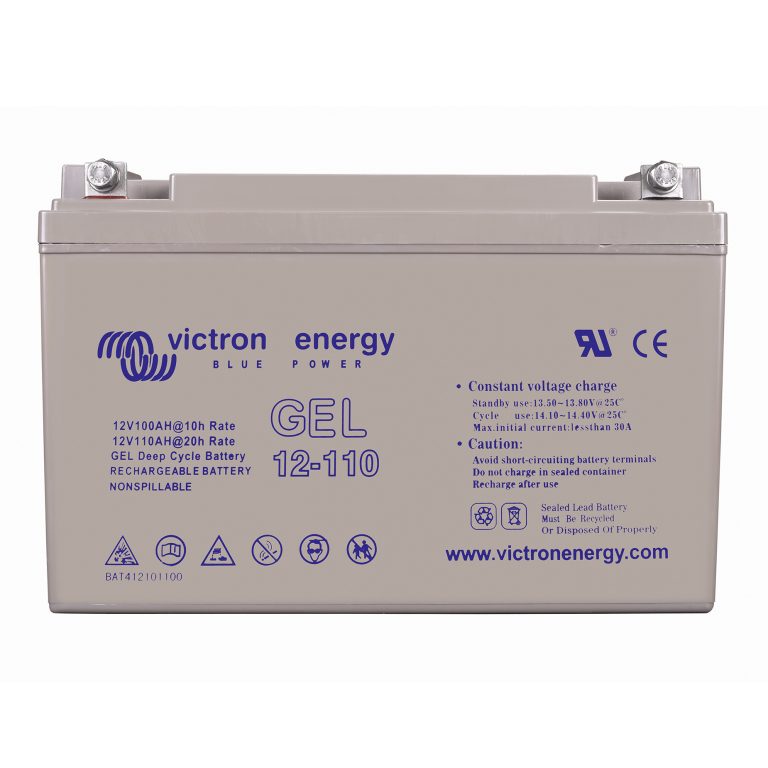
12V/110Ah Gel Deep Cycle Batt.
The GEL model range offers best deep cycle durability and overall longer life. The use of high purity materials and lead calcium grids ensure that for both AGM and GEL products have particularly low self-discharge so that they will not go flat during long periods without charge. Both ranges are supplied with M8 drilled, flat copper terminals ensuring best possible connection contact and eliminating the need for battery terminals. The batteries are compliant with both CE and UL specifications in ABS fireproof containers and come with Victron’s 2 year world-wide warranty.
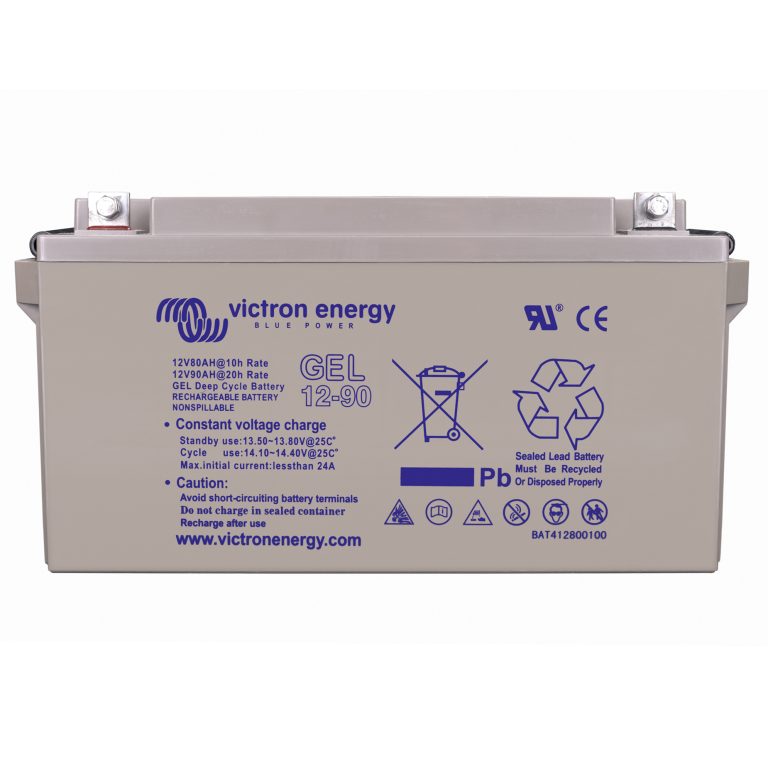
12V/90Ah Gel Deep Cycle Batt.
The GEL model range offers best deep cycle durability and overall longer life. The use of high purity materials and lead calcium grids ensure that for both AGM and GEL products have particularly low self-discharge so that they will not go flat during long periods without charge. Both ranges are supplied with M8 drilled, flat copper terminals ensuring best possible connection contact and eliminating the need for battery terminals. The batteries are compliant with both CE and UL specifications in ABS fireproof containers and come with Victron’s 2 year world-wide warranty.
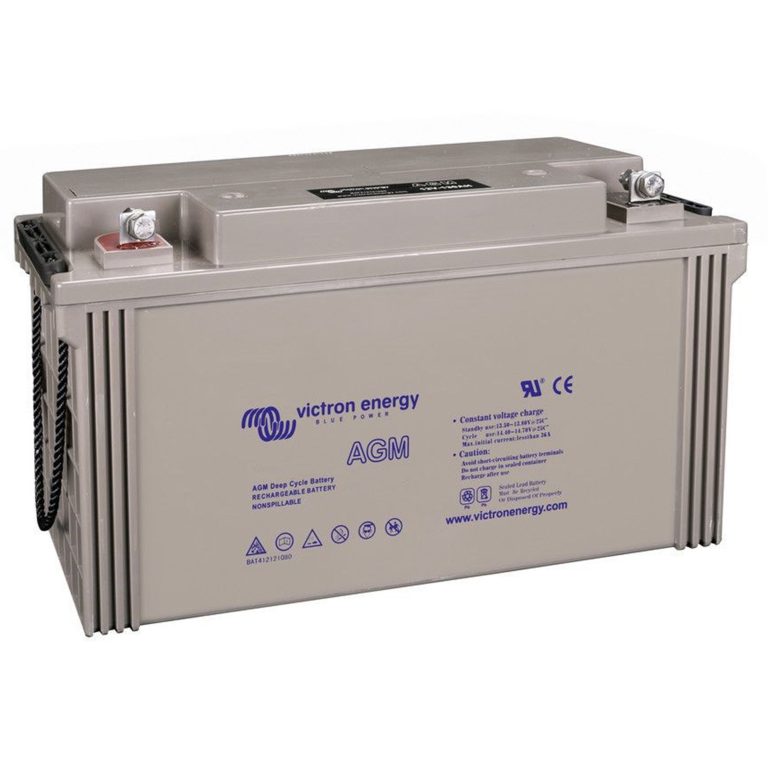
12V/240Ah AGM Deep Cycle Batt. (M8)
The AGM range has very low internal resistance making them particularly suitable for high current discharge applications such as for inverters, thrusters and winches. VRLA AGM: design life 7-10 years
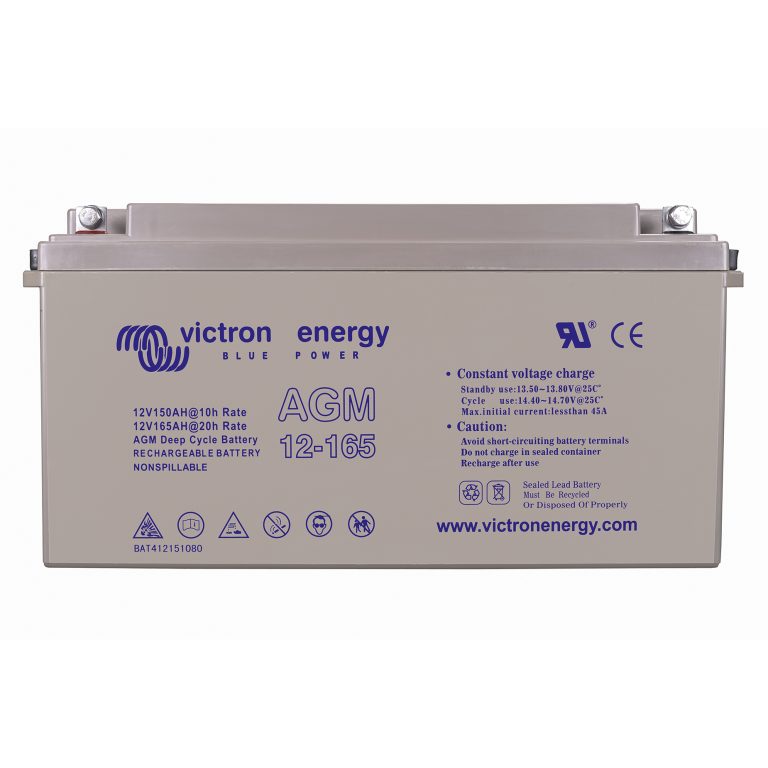
12V/165Ah AGM Deep Cycle Batt.
The AGM range has very low internal resistance making them particularly suitable for high current discharge applications such as for inverters, thrusters and winches. VRLA AGM: design life 7-10 years
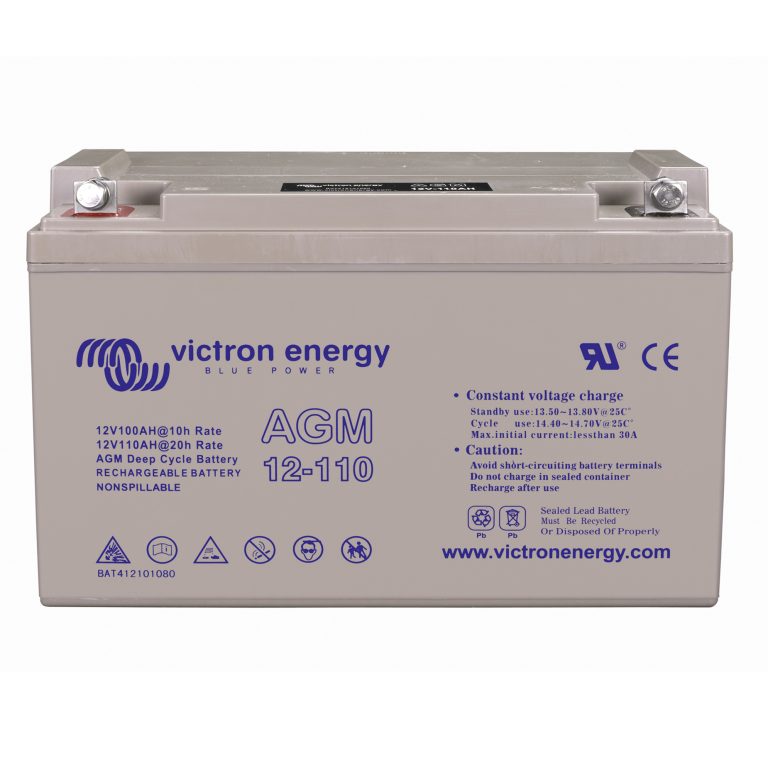
12V/110Ah AGM Deep Cycle Batt.
The AGM range has very low internal resistance making them particularly suitable for high current discharge applications such as for inverters, thrusters and winches. VRLA AGM: design life 7-10 years
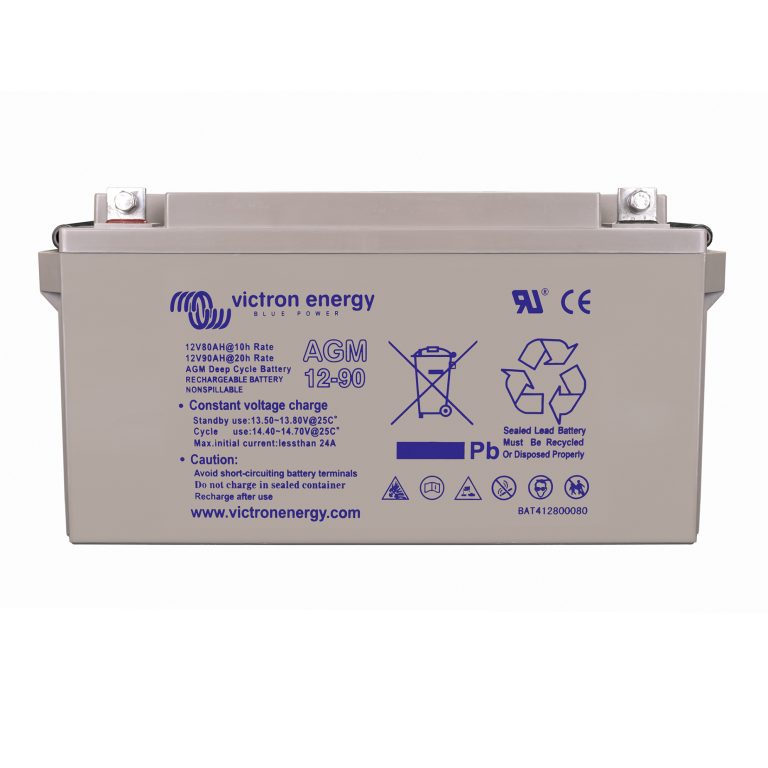
12V/90Ah AGM Deep Cycle Batt.
The AGM range has very low internal resistance making them particularly suitable for high current discharge applications such as for inverters, thrusters and winches. VRLA AGM: design life 7-10 years
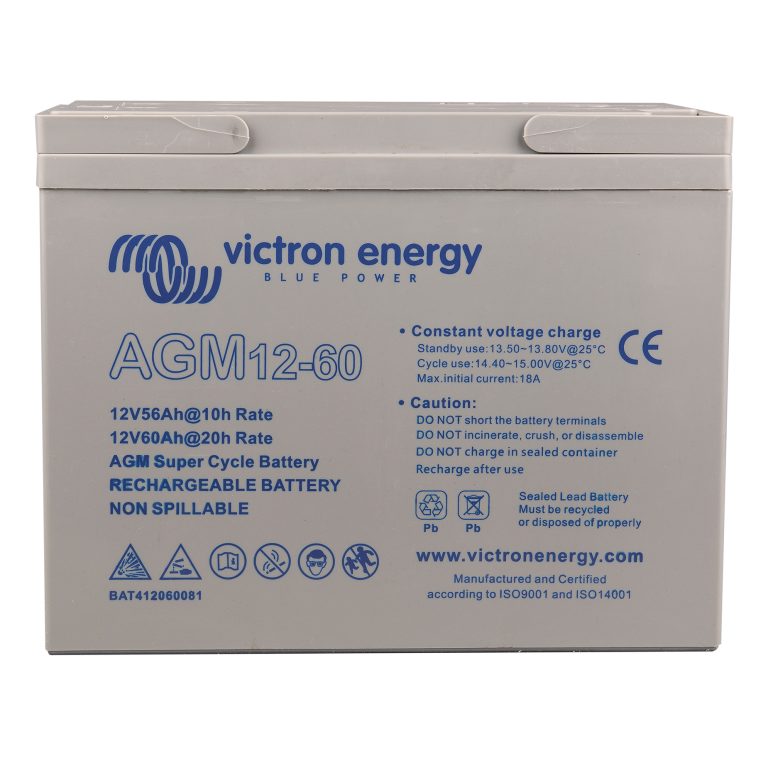
12V60Ah AGM Deep Cycle Batt.
The AGM range has very low internal resistance making them particularly suitable for high current discharge applications such as for inverters, thrusters and winches. VRLA AGM: design life 7-10 years
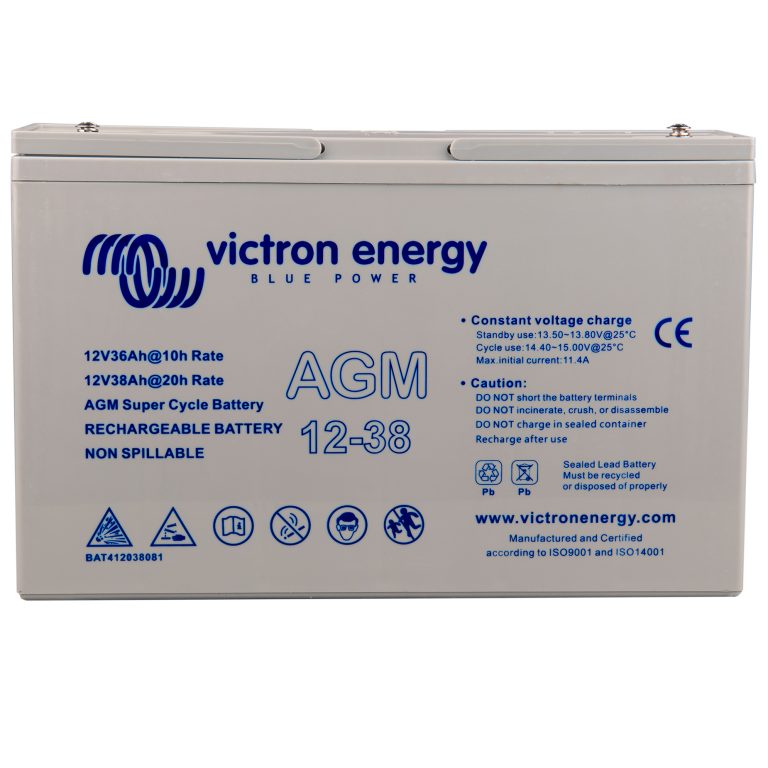
12V38Ah AGM Deep Cycle Batt.
The AGM range has very low internal resistance making them particularly suitable for high current discharge applications such as for inverters, thrusters and winches. VRLA AGM: design life 7-10 years.
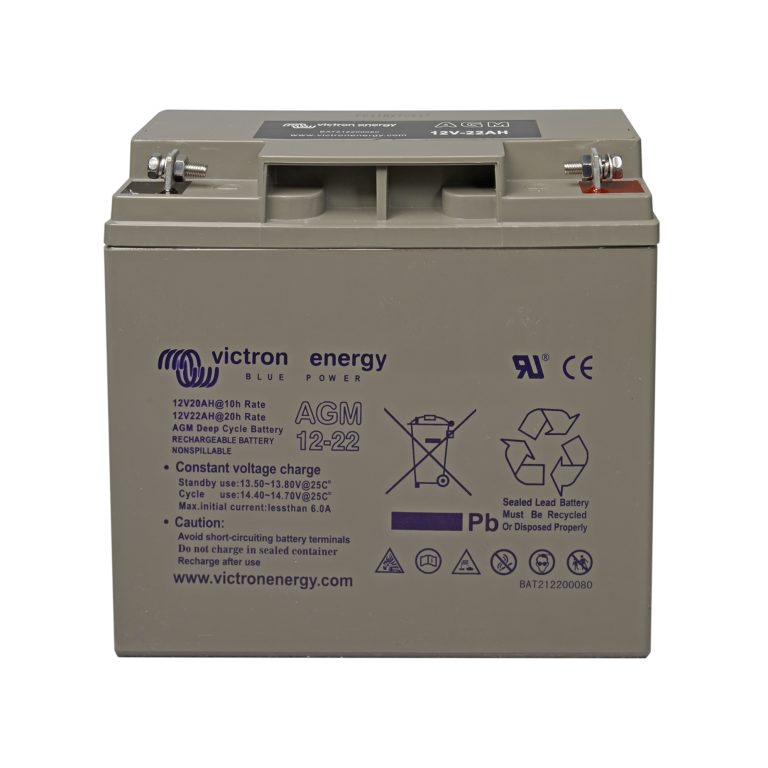
12V22Ah AGM Deep Cycle Batt.
The AGM range has very low internal resistance making them particularly suitable for high current discharge applications such as for inverters, thrusters and winches. VRLA AGM: design life 7-10 years
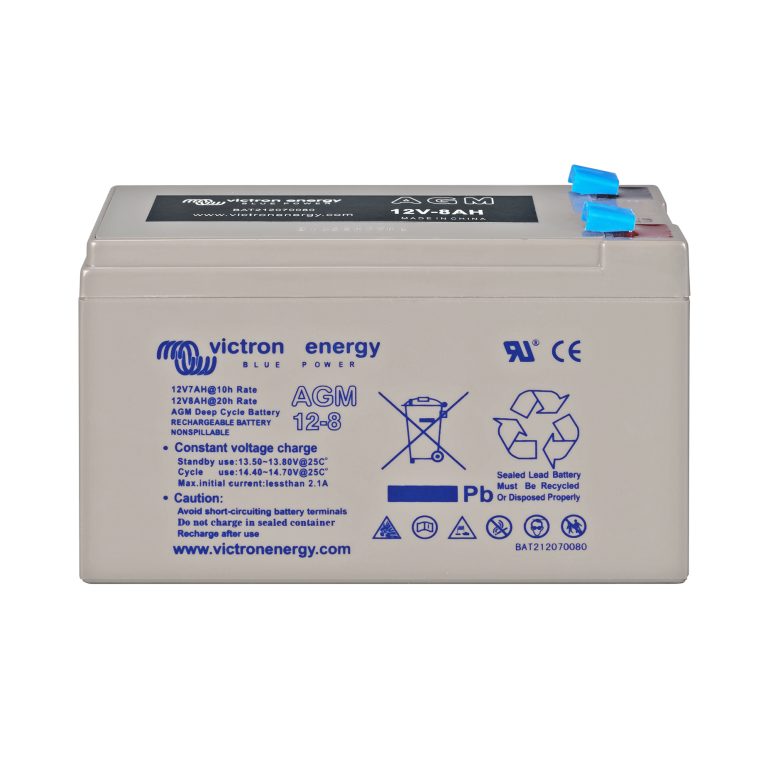
12V/8Ah AGM Deep Cycle Batt.
The AGM range has very low internal resistance making them particularly suitable for high current discharge applications such as for inverters, thrusters and winches. VRLA AGM: design life 7-10 years
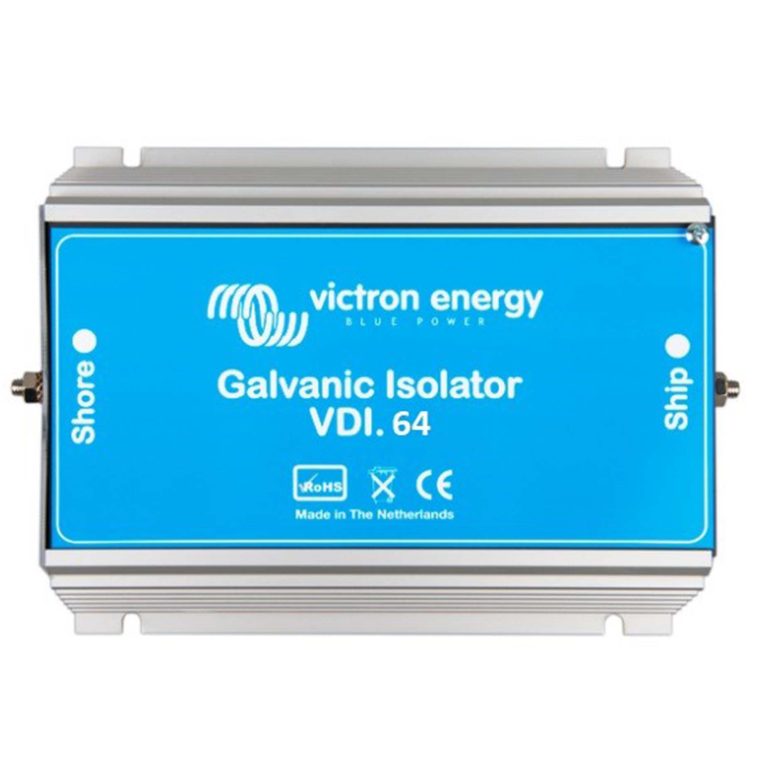
Galvanic Isolator VDI-64 A
د.إ1,130.00The galvanic isolator prevents electrolytic corrosion. It blocks low voltage DC currents that enter your boat via the shore power earth wire. These currents can cause corrosion to the boat’s underwater metals, like the hull, propeller, shaft and so on.
The galvanic isolator consists internally of two diodes which are connected in anti-parallel fashion. When they are connected in this way, the diodes allow current in both directions but only above a certain threshold voltage. The voltage at which diodes conduct is about 1.4 Vdc.
The isolator is installed directly behind your boat’s 230V connection. The forward voltage from the galvanic isolator is higher than the potential difference between metals. As a result, this voltage will not allow conduction and as such, the galvanic isolator will prevent any electrolytic current. However, if there is a (higher) error voltage in the AC circuit, the diodes will allow current through and the residual-current device will break the circuit.
Galvanic Isolator Waterproof (potted)
Maximum current 32 A
Peak current (20 ms) 3200 A
Connection M6
Heat sink
Material Anodized aluminium
Protection category IP 67